How to Fly a Drone for Beginners
Learning how to fly a drone for beginners can feel overwhelming when you first unbox your new aircraft and see all the controls, settings, and safety warnings. The good news is that modern consumer drones are designed with beginners in mind, featuring intuitive controls and built-in safety features that make learning much easier than it used to be.
Flying a drone successfully isn’t just about pushing the right buttons on a controller. It involves understanding basic flight principles, mastering essential maneuvers, and developing the confidence to handle unexpected situations. Most importantly, it requires building good habits from the very beginning that will keep you, your drone, and everyone around you safe.
The journey from complete beginner to confident pilot typically takes several practice sessions, but you can perform basic flights safely on your first day with the right preparation. The key is starting with simple maneuvers in safe environments and gradually building your skills as your confidence grows.
Whether you’re interested in aerial photography, recreational flying, or eventually advancing to more complex operations, mastering the fundamentals is essential. The skills you learn as a beginner will serve as the foundation for everything you do with drones in the future.
Pre-Flight Preparation and Safety Checks
Before you even think about taking off, proper preparation is crucial for safe and successful drone operations. This preparation phase might seem tedious at first, but developing these habits early will prevent countless problems and potential accidents down the road.
Start by familiarizing yourself with your drone’s components and controls while it’s safely on the ground. Read the manual thoroughly, even if it seems boring. Understanding your specific model’s features, limitations, and emergency procedures can prevent dangerous situations during flight.
Check your drone’s battery levels and ensure all batteries are properly charged. Most beginner drones have battery indicators, but it’s good practice to verify charge levels before heading out. Cold weather can reduce battery performance significantly, so factor in weather conditions when planning your flight time.
Inspect your drone physically before each flight. Look for loose propellers, damaged components, or debris that might have accumulated since your last flight. Propellers should be securely attached and free of cracks or chips. Camera gimbals should move freely without obstruction.
Weather conditions play a huge role in flight safety and success. Wind is the biggest factor for beginners to consider. Most entry-level drones struggle in winds above 15-20 mph, and gusts can be particularly challenging. Rain, snow, and extreme temperatures can damage your equipment or make flying dangerous.
Choose your flying location carefully for your first flights. Open areas like large parks, empty fields, or beaches provide plenty of space for mistakes and recovery. Avoid areas near airports, crowds of people, or obstacles like trees and power lines until you’ve developed better control skills.
Smartphone apps like the FAA’s B4UFLY can help you identify restricted airspace and temporary flight restrictions. Even as a beginner flying recreationally, you’re required to follow federal aviation rules, so checking airspace status should become a routine part of your pre-flight process.
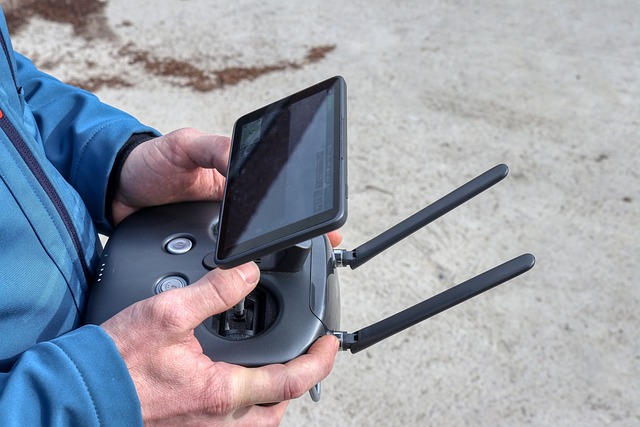
Set up your controller and mobile device before powering on the drone. Make sure your smartphone or tablet is charged and properly connected to the controller. Most modern drones require a mobile app for full functionality, so having everything connected and working before takeoff prevents mid-flight technical issues.
Basic Controls and Flight Maneuvers
Understanding your drone’s control system is fundamental to safe flying. Most consumer drones use a standard four-channel control setup that becomes intuitive with practice, but each control affects the drone differently and requires coordination for smooth flight.
The left stick on most controllers controls throttle and yaw. Pushing up adds power and makes the drone climb, while pulling down reduces power and initiates descent. Moving the left stick left or right rotates the drone clockwise or counterclockwise, changing which direction the front of the aircraft faces.
The right stick controls pitch and roll, which determine the drone’s forward, backward, and sideways movement. Pushing the right stick forward makes the drone tilt and move forward, while pulling back causes backward movement. Left and right movements on this stick cause the drone to strafe sideways.
Start with hover practice in a safe, open area. Take off and try to maintain a steady hover about six feet off the ground. This seemingly simple task helps you understand how the controls respond and how environmental factors like wind affect your drone’s stability.
Practice basic movements one at a time before combining them. Master simple forward and backward movements, then try sideways flights. Once you’re comfortable with individual directions, practice smooth transitions between movements. The goal is developing muscle memory so that control inputs become automatic.
Orientation awareness is one of the biggest challenges for new pilots. When your drone is facing away from you, the controls work as expected. But when it’s facing toward you, left and right inputs are reversed from your perspective. Practice flying in different orientations, starting with simple movements and gradually increasing complexity.
Learn to use your drone’s camera view effectively. The live video feed on your smartphone or controller screen helps with navigation and framing shots, but don’t rely on it exclusively for flight control. Maintaining visual contact with your drone is both safer and required by law for recreational flying.
Emergency procedures should be practiced regularly. Know how to activate return-to-home functions, emergency stops, and manual landing procedures. Understanding these emergency options before you need them can prevent crashes and potentially dangerous situations.
Common Beginner Mistakes to Avoid
New drone pilots often make predictable mistakes that can damage equipment, create safety hazards, or lead to legal troubles. Understanding these common pitfalls helps you avoid them and develop better flying habits from the start.
One of the most frequent beginner mistakes is flying too high or too far on early flights. Enthusiasm and curiosity drive many new pilots to test their drone’s limits immediately, but this often leads to losing visual contact with the aircraft or flying into restricted airspace. Start with low-altitude flights close to your position and gradually expand your range as your skills improve.
Ignoring battery warnings is another dangerous habit. Drone batteries can drain quickly, especially in cold weather or when flying aggressively. When your drone’s app warns about low battery, land immediately rather than trying to squeeze out a few more minutes of flight time. Emergency landings due to dead batteries often result in lost or damaged aircraft.
Many beginners become overly dependent on automated features like GPS stabilization and return-to-home functions. While these features are helpful, they can fail or malfunction. Learning to fly manually without assistance builds crucial skills and ensures you can handle situations when technology doesn’t work as expected.
Flying in inappropriate conditions is a common mistake that can quickly turn dangerous. High winds, rain, or poor visibility make flying much more challenging and risky. Beginners should fly only in ideal conditions until they’ve developed strong fundamental skills.
Inadequate pre-flight planning leads to numerous problems. This includes failing to check airspace restrictions, not informing people nearby about your flying activities, or choosing locations with insufficient space for safe operations. Good planning prevents most aviation incidents before they happen.
Privacy violations, whether intentional or accidental, can create legal problems and damage relationships with neighbors and community members. Understanding privacy laws and being respectful of others’ property and personal space helps maintain positive relationships and keeps drone flying accessible for everyone.
Overconfidence after initial success causes many accidents. Successfully completing a few flights doesn’t mean you’re ready for advanced maneuvers or challenging conditions. Skill development takes time and consistent practice, so resist the urge to attempt complex flights before you’re ready.
Building Your Skills and Confidence
Developing proficiency in drone flying is a gradual process that requires patience, practice, and systematic skill building. Rather than jumping immediately to advanced maneuvers or challenging conditions, focus on mastering fundamental skills that will serve as the foundation for everything else you do.
Create a practice routine that you can follow consistently. Regular short practice sessions are more effective than occasional long flights. Even fifteen minutes of focused practice several times per week will improve your skills faster than sporadic longer sessions. Consistency helps build the muscle memory that makes flying feel natural.
Start with basic maneuvers and gradually increase difficulty. Master hovering before attempting forward flight. Perfect straight-line movements before trying curves or complex patterns. This progression ensures that each new skill builds on previously mastered techniques.
Practice flying in different orientations systematically. Many pilots become comfortable flying with the drone facing away from them but struggle when the aircraft is oriented differently. Set up practice routines that require you to fly with the drone facing various directions, including directly toward you.
Develop your spatial awareness by flying at different altitudes and distances. Practice judging distances and heights accurately, as this skill becomes crucial for obstacle avoidance and precise maneuvering. Start close and low, then gradually increase both distance and altitude as your confidence grows.
Consider using flight simulators to supplement your real-world practice. Many drone manufacturers offer free simulator apps that let you practice on your computer or smartphone. Simulators allow you to practice in challenging conditions or attempt risky maneuvers without the fear of crashing expensive equipment.
Learn to read environmental conditions and adapt your flying accordingly. Understanding how wind, lighting, and weather affect your drone’s performance helps you make better decisions about when and where to fly. This knowledge also helps you recognize when conditions are beyond your current skill level.
Challenge yourself with specific exercises rather than just flying around randomly. Practice figure-eight patterns, precise landing challenges, or obstacle courses using safety cones. Having specific goals makes practice sessions more productive and helps you measure improvement objectively.
Join local drone communities or online forums where you can learn from experienced pilots. Many communities organize group flights where beginners can learn from more experienced pilots in a supportive environment. These connections often provide valuable insights that you can’t get from manuals or videos alone.
Conclusion
Learning how to fly a drone for beginners successfully requires patience, preparation, and respect for safety. The most important thing to remember is that becoming a skilled pilot takes time and practice. Don’t expect to master everything immediately, and don’t let initial challenges discourage you from continuing to learn.
The foundation of good drone flying lies in developing proper habits from the beginning. This includes thorough pre-flight preparation, understanding your equipment’s capabilities and limitations, and always prioritizing safety over getting the perfect shot or attempting impressive maneuvers.
Remember that every expert pilot started exactly where you are now. The pilots who seem to fly effortlessly have invested many hours practicing basic maneuvers and building their skills gradually. By following a systematic approach to learning and maintaining a focus on safety, you’ll develop the same level of proficiency over time.
The drone community is generally welcoming and helpful to beginners who show genuine interest in learning proper techniques. Don’t hesitate to ask questions, seek advice, and learn from others’ experiences. The knowledge and connections you build within the community will enhance your enjoyment of the hobby and help you become a better pilot.
Most importantly, enjoy the process of learning. Flying a drone opens up new perspectives and creative possibilities that were impossible just a few years ago. Take time to appreciate the unique experiences that drone flying offers, and remember that every flight is an opportunity to improve your skills while enjoying this fascinating technology.