What is the Difference Between FPV and Regular Drones: A Complete Guide for Beginners
When you’re shopping for your first drone or considering an upgrade, you’ve probably come across the term “FPV drone” and wondered how it differs from regular drones. The world of unmanned aircraft can seem overwhelming at first, with countless models, features, and technical specifications to consider.
Understanding what is the difference between FPV and regular drones is crucial for making the right choice based on your needs, budget, and flying goals. Whether you’re interested in casual photography, competitive racing, or immersive flight experiences, knowing these distinctions will help you invest in the right equipment from the start.
FPV stands for “First Person View,” and while that might sound straightforward, the differences between FPV and regular drones go far beyond just the camera perspective. These two categories of drones serve different purposes, require different skill levels, and offer entirely different flying experiences.
Understanding FPV Drones: The Pilot’s Perspective
FPV drones are designed to give you the sensation of actually sitting in the cockpit of your aircraft. When you fly an FPV drone, you wear special goggles or look at a monitor that displays a live video feed directly from the drone’s camera. This creates an immersive experience where you see exactly what the drone sees in real-time.
The magic happens through a low-latency video transmission system that sends the camera feed back to your goggles almost instantaneously. Most FPV systems have latency of just 20-40 milliseconds, which is fast enough to make the flying experience feel natural and responsive. This immediate feedback allows pilots to navigate through tight spaces, perform complex maneuvers, and react quickly to obstacles.
FPV drones typically use analog or digital video transmission systems. Analog systems have been the standard for years due to their reliability and low latency, though the image quality isn’t as crisp as digital. Digital systems like DJI’s FPV system offer crystal-clear HD video but may have slightly higher latency.
The flying style with FPV drones is completely different from regular drones. Instead of watching your drone from the ground and trying to judge distances and orientations, you’re seeing the world from the drone’s perspective. This makes it possible to fly through forests, around buildings, and into spaces where you couldn’t safely navigate using line-of-sight flying alone.
Most FPV drones are built for speed and agility rather than stability. They can perform acrobatic maneuvers like loops, rolls, and sharp turns that would be impossible or dangerous with regular drones. The learning curve is steeper, but the reward is an incredibly engaging and immersive flying experience.
Regular Drones: Stability and Ease of Use
Regular drones, often called camera drones or GPS drones, prioritize stability, ease of use, and automated features. These drones are designed to hover steadily in one place, follow predetermined flight paths, and capture smooth, professional-looking footage with minimal pilot input.
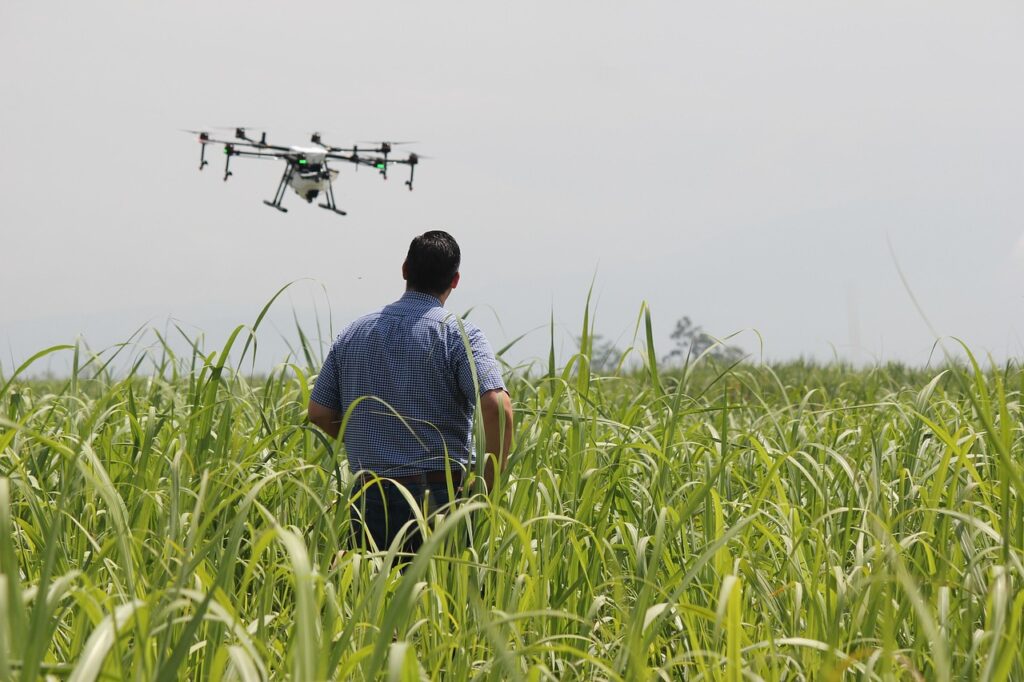
The key difference is in how you control and observe these drones. With regular drones, you typically fly them while maintaining visual contact with the aircraft. You watch the drone’s position in the sky and use the camera feed on your smartphone or controller screen primarily for framing shots rather than navigation.
GPS and other positioning systems are standard features in most regular drones. These systems allow the drone to maintain its position automatically, return home if the signal is lost, and even avoid obstacles using built-in sensors. Many regular drones can literally fly themselves along programmed routes while the pilot focuses on camera work.
Regular drones excel at capturing cinematic footage thanks to their stable flight characteristics and advanced camera systems. Features like automated tracking, where the drone follows a subject while maintaining optimal framing, make it easy to create professional-looking content without advanced piloting skills.
The flight modes available on regular drones are designed for convenience and safety. Sport mode might increase speed and responsiveness, while cinematic mode slows everything down for smooth, professional footage. These modes handle the complex flight dynamics automatically, allowing pilots to focus on creativity rather than technical flying skills.
Battery life tends to be longer with regular drones because they’re optimized for efficiency rather than performance. While an FPV racing drone might fly for 5-10 minutes on a single battery, a regular drone can often stay airborne for 20-30 minutes or more.
Key Technical and Performance Differences
The technical differences between FPV and regular drones reflect their different design priorities and intended uses. These distinctions affect everything from how you learn to fly to what kind of content you can create.
Flight characteristics represent one of the most significant differences. FPV drones are typically built around lightweight, powerful motors that can change direction quickly and maintain high speeds. They often lack GPS stabilization, relying instead on the pilot’s skills and sometimes basic gyroscopic stabilization. This makes them more challenging to fly but also more responsive and agile.
Regular drones prioritize smooth, predictable flight behavior. Multiple sensors work together to maintain stable hovering, compensate for wind, and prevent crashes. The flight controller software in regular drones includes sophisticated algorithms that make flying feel almost effortless, even for beginners.
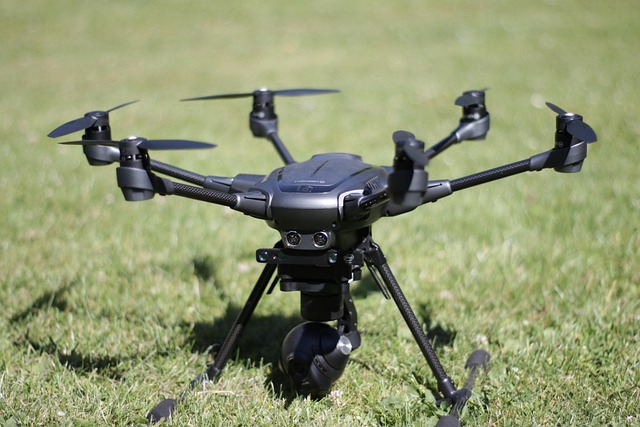
Camera and gimbal systems also differ significantly between the two categories. Regular drones usually feature mechanically stabilized gimbals that keep the camera perfectly level and smooth regardless of the drone’s movements. This is essential for professional photography and videography work.
FPV drones often have fixed cameras or very basic stabilization. The camera is typically angled upward slightly to provide better visibility during forward flight. While this setup isn’t ideal for cinematic footage, it’s perfect for the fast-paced, dynamic flying that FPV pilots enjoy.
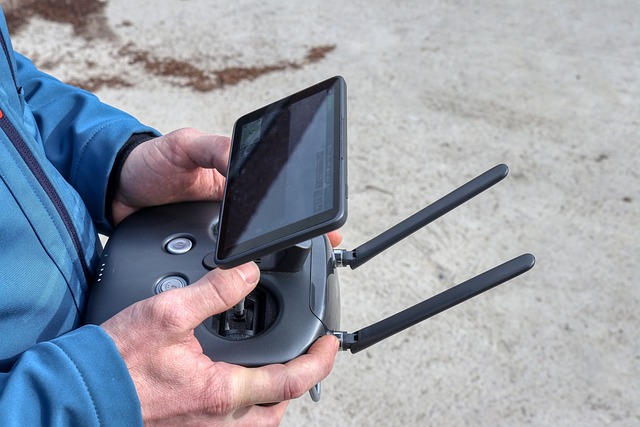
Control systems represent another major difference. FPV drones often use specialized radio systems optimized for range and reliability, with many pilots preferring more responsive control protocols. The learning curve for FPV flying is much steeper because you’re controlling the drone based on the first-person view rather than watching it from the ground.
Regular drones typically use user-friendly control interfaces with features like one-button takeoff and landing, automatic hovering, and intuitive flight modes. The smartphone apps that accompany these drones often include tutorials, safety features, and automated flight planning tools.
Choosing the Right Type for Your Needs
Deciding between an FPV drone and a regular drone depends largely on what you want to accomplish and how much time you’re willing to invest in learning to fly. Both types have their strengths and ideal use cases.
If your primary interest is photography and videography, regular drones are almost always the better choice. The stable flight characteristics, gimbal-stabilized cameras, and automated features make it much easier to capture professional-quality content. Features like object tracking, waypoint navigation, and intelligent flight modes can help you create cinematic shots that would be extremely difficult to achieve manually.
For those seeking an adrenaline-filled hobby that emphasizes piloting skills, FPV drones offer an unmatched experience. The learning process itself becomes part of the fun, and the sense of accomplishment from mastering difficult maneuvers is incredibly rewarding. FPV flying is often compared to extreme sports because of the intense focus and skill required.
Budget considerations also play a role in your decision. Entry-level regular drones with decent cameras can be found for a few hundred dollars, while professional models can cost several thousand. FPV setups can range from budget builds under $200 to high-end racing drones costing over $1000, plus the additional expense of goggles and specialized equipment.
Time investment is another crucial factor. Regular drones are designed to be flown successfully with minimal practice, while FPV flying requires dedicated practice time to develop the necessary skills. Many FPV pilots spend hours in simulators before ever flying a real drone, and building and maintaining custom FPV setups requires technical knowledge.
Consider your local flying environment as well. Regular drones work well in open areas where GPS signals are strong and there’s plenty of room for automated safety features to function. FPV drones excel in more confined spaces where their agility and first-person perspective provide advantages.
Conclusion
Understanding what is the difference between FPV and regular drones comes down to recognizing that these are essentially two different hobbies that happen to use similar technology. Regular drones prioritize ease of use, stability, and content creation capabilities, making them perfect for photographers, videographers, and casual users who want impressive results without extensive training.
FPV drones offer an entirely different experience focused on piloting skills, immersion, and the pure joy of flight. They’re ideal for those who see drone flying as an end in itself rather than just a means to capture footage.
The good news is that you don’t necessarily have to choose just one path. Many drone enthusiasts eventually own both types, using regular drones for content creation and FPV drones for recreational flying. Some manufacturers now offer hybrid solutions that combine elements of both approaches.
Whatever you choose, both FPV and regular drones offer incredible opportunities to explore the world from a new perspective. The key is understanding your goals, being honest about your commitment level, and choosing the type that aligns with what you hope to achieve in this exciting and rapidly evolving hobby.