Best Starter Drone Under 300 Dollars
Finding the best starter drone under 300 dollars can feel overwhelming when you’re faced with dozens of models, each claiming to be perfect for beginners. The good news is that the drone market has matured significantly, and you can now get remarkable features and performance in this price range that would have cost thousands just a few years ago.
The $300 budget sweet spot offers an excellent balance between affordability and capability. You’re not stuck with basic toy drones that break after a few flights, but you’re also not overspending on professional features you won’t use as a beginner. This price range typically includes drones with decent cameras, GPS stabilization, and safety features that make learning much easier.
What makes a drone truly suitable for beginners isn’t just the price tag. The best starter drones combine intuitive controls, built-in safety features, good build quality, and enough performance headroom to keep you engaged as your skills improve. They should also come from reputable manufacturers who provide reliable customer support and readily available replacement parts.
Understanding what to look for in a beginner drone will help you make a smart purchase that provides years of enjoyment rather than a frustrating experience that ends up gathering dust in your closet.
Key Features to Look for in Beginner Drones
When evaluating the best starter drone under 300 dollars, certain features matter more than others for new pilots. These capabilities can mean the difference between a rewarding learning experience and a frustrating series of crashes and technical problems.
GPS stabilization stands out as perhaps the most important feature for beginners. GPS stability is widely considered essential for beginner drones thanks to its ability to help maintain position and enable features like return-to-home. Drones with GPS can hover in place automatically, resist wind drift, and return to their takeoff point if they lose signal or run low on battery.
Camera quality matters even for beginners who aren’t primarily focused on photography. A decent camera helps with orientation and navigation, plus you’ll want to capture some footage once you’re comfortable flying. Look for drones that offer at least 1080p video recording, though 4K capability is increasingly common in this price range.
Flight time directly impacts your learning experience and enjoyment. Most drones under $300 offer between 15-30 minutes of flight time per battery. While this might not sound like much, it’s actually sufficient for productive practice sessions, especially when you factor in setup time and post-flight analysis.
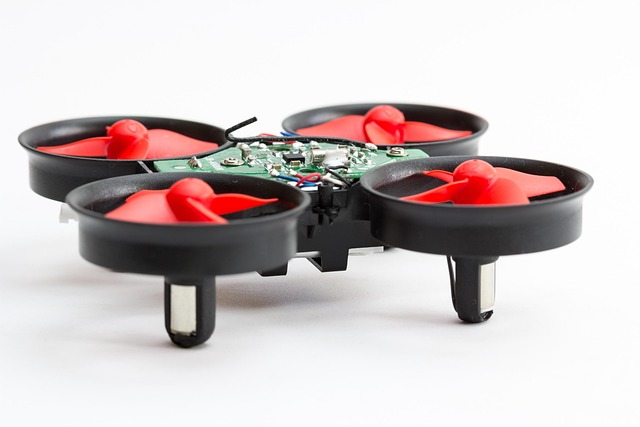
Build quality and durability are crucial for beginners who will inevitably experience some crashes while learning. Look for drones with propeller guards, sturdy construction, and readily available replacement parts. Some manufacturers design their beginner models specifically to withstand the learning process.
Ease of setup and operation can make or break the beginner experience. The best starter drones come with intuitive smartphone apps, clear instructions, and helpful features like one-button takeoff and landing. Avoid drones that require complex calibration procedures or have confusing control interfaces.
Range and connectivity determine how far you can fly and how reliable your control will be. Most beginner drones offer sufficient range for learning, but look for models with reliable transmission systems that provide clear warning when approaching range limits.
Top Drone Options Under $300
The current market offers several excellent options for the best starter drone under 300 dollars, each with distinct advantages depending on your priorities and flying goals.
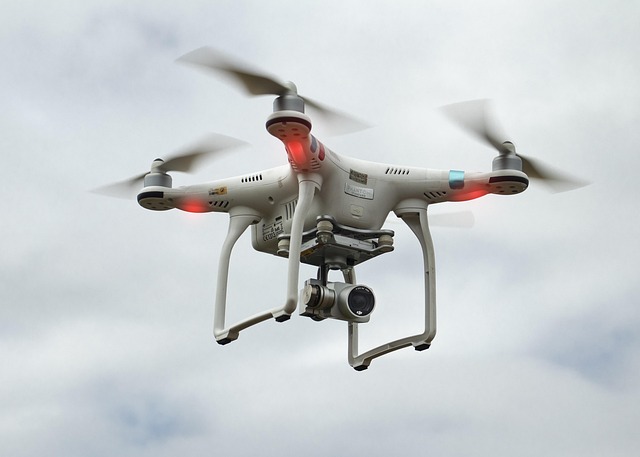
The DJI Mini 4K has emerged as a top choice for 2025, priced around $249 and weighing just 249g, which means no FAA registration is required. This drone packs impressive capability into a compact package, featuring a 4K camera with a three-axis gimbal for smooth footage and offering up to 31 minutes of flight time.
The DJI Mini 4K’s lightweight design makes it highly portable and less intimidating for new pilots, while its advanced flight modes help beginners learn gradually. The drone includes GPS stabilization, automatic return-to-home, and DJI’s reliable smartphone app that guides you through setup and operation.
For those seeking even more budget-friendly options, the DJI Mini 2 SE at around $340 represents excellent value for a camera drone on a budget, with the ability to basically fly itself through automatic takeoff, landing, hovering, and return-to-home features. While slightly above the $300 target, it’s worth considering if your budget allows for the extra capability.
Alternative manufacturers also offer competitive options in this price range. The ZINO drone features a 4K camera and supports 1080p video recording, though it weighs 700 grams and requires FAA registration. This additional weight can actually provide more stability in windy conditions, though it comes with additional regulatory requirements.
The Potensic T25 has earned recognition as a favorite for under $200, offering GPS, 1080p camera, variable speed control, and excellent stability for precision flying. This drone proves you don’t need to spend the full $300 to get a capable beginner aircraft.
For indoor practice and initial learning, the DJI Ryze Tello serves as an excellent starter model with its 5MP camera capable of capturing 720p videos, designed specifically for easy indoor flight and familiarization with drone controls. While it won’t provide long-term satisfaction, it’s perfect for building initial confidence before moving to more capable outdoor drones.
Budget Considerations and Value Factors
Understanding the total cost of drone ownership helps you make better decisions when selecting the best starter drone under 300 dollars. The initial purchase price represents just the beginning of your investment in the hobby.
Battery considerations significantly impact your ongoing costs and flying experience. Most drones come with one battery, which typically provides 15-30 minutes of flight time. Serious learning requires multiple batteries, so factor in the cost of additional battery packs when comparing models. Some manufacturers charge premium prices for replacement batteries, while others offer more reasonable pricing.
Replacement parts and repair costs vary dramatically between manufacturers and models. DJI generally offers excellent parts availability but at premium prices. Lesser-known brands might have cheaper parts but questionable long-term availability. Consider the likelihood of crashes during your learning phase when evaluating these costs.
Insurance and registration requirements add to your total ownership costs. Drones weighing more than 250 grams require FAA registration in the United States, which costs five dollars every three years. Some pilots also choose to purchase drone insurance, especially for more expensive models.
Extended warranties and care plans can provide peace of mind for new pilots who are concerned about crash damage. Some manufacturers offer reasonably priced protection plans that cover accidental damage, though these aren’t always cost-effective depending on the drone’s replacement cost.
Storage and transportation accessories enhance your flying experience but add to the total cost. A good carrying case protects your investment and makes it easier to transport your drone safely. Additional memory cards, lens filters, and other accessories can quickly add up.
Software and app subscriptions represent a growing cost factor in the drone world. While basic functionality is typically free, some advanced features or cloud services may require monthly or annual subscriptions. Factor these potential ongoing costs into your decision-making process.
Value comparison should consider not just the initial price but the total cost of ownership over your expected usage period. A slightly more expensive drone with better build quality and lower parts costs might represent better long-term value than a cheaper option with higher ongoing expenses.
Making Your Final Decision
Choosing the best starter drone under 300 dollars ultimately depends on matching the right drone to your specific needs, expectations, and circumstances. Consider your primary goals, available practice locations, and realistic assessment of your commitment to the hobby.
If aerial photography is your main interest, prioritize drones with better cameras and gimbal stabilization, even if it means sacrificing some flight time or range. The DJI Mini 4K’s 4K camera and three-axis gimbal make it particularly suitable for photography-focused beginners who want immediately impressive results.
For pure flying enjoyment and skill development, consider models that emphasize flight performance and durability over camera quality. These drones often offer longer flight times, better wind resistance, and more robust construction that can better withstand the inevitable learning crashes.
Indoor vs outdoor flying preferences should influence your choice significantly. If you primarily plan to fly indoors or in small spaces, smaller drones like the Ryze Tello make more sense. For outdoor adventures and longer-range flying, larger drones with GPS and better wind resistance are preferable.
Available practice time affects which features matter most. If you can only fly occasionally, longer battery life and more automated features help you make the most of limited flying opportunities. Regular fliers might prioritize durability and parts availability over maximum flight time.
Local regulations and flying locations impact which drones make the most sense. In areas with strict regulations or limited flying spaces, lightweight drones under 250 grams avoid registration requirements and may have fewer restrictions.
Budget flexibility determines whether you should buy additional accessories immediately or start with just the basic kit. Having extra batteries significantly improves the learning experience, so consider whether your budget allows for these essential additions.
Future upgrade path consideration helps ensure your starter drone purchase aligns with your long-term goals. If you’re likely to upgrade within a year, a less expensive starter model might make sense. For those planning to use their first drone for several years, investing in slightly higher-end features pays off over time.
Conclusion
The best starter drone under 300 dollars in 2025 offers remarkable capability and value compared to options available just a few years ago. The DJI Mini 4K stands out as the top overall choice, combining 4K video capability, excellent flight characteristics, and beginner-friendly features at an attractive price point.
However, the “best” choice depends heavily on your individual needs and circumstances. Photography enthusiasts might benefit from investing in models with superior camera systems, while pure flying enthusiasts might prefer drones optimized for performance and durability over image quality.
The key to making a smart purchase lies in honestly assessing your goals, budget, and commitment level. Don’t be swayed by features you won’t use, but also don’t shortchange yourself on capabilities that matter for your intended use. The drone market offers excellent options across the entire spectrum of needs and budgets.
Remember that your first drone likely won’t be your last if you develop a serious interest in the hobby. Starting with a solid, reliable model in the under-$300 range provides an excellent foundation for learning while preserving the option to upgrade to more specialized equipment as your skills and interests evolve.
Most importantly, focus on getting a drone that will actually get used rather than one that offers the most impressive specifications on paper. The best starter drone is the one that matches your current skill level, provides room for growth, and most importantly, brings you joy every time you take it out for a flight.