
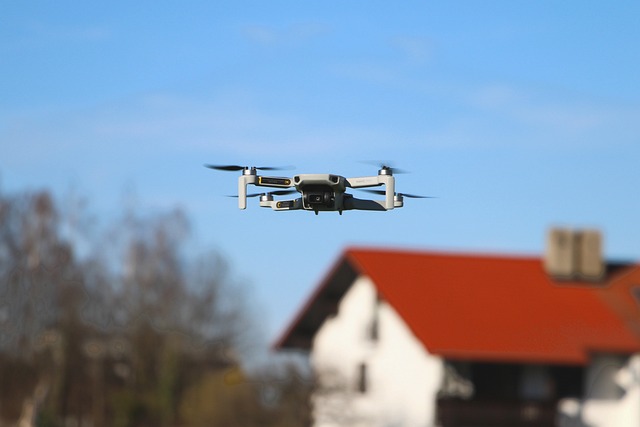
Can You Fly a Drone in Residential Areas Legally
The question “can you fly a drone in residential areas legally” has become increasingly important as drones have grown more popular and affordable. Whether you’re a new drone owner excited to test your aircraft or an experienced pilot exploring new neighborhoods, understanding the legal landscape is crucial for responsible flying.
The short answer is yes, you can legally fly a drone in most residential areas, but there are important federal, state, and local regulations you must follow. The rules aren’t just suggestions either – violating drone laws can result in hefty fines, legal trouble, and even criminal charges in serious cases.
What makes this topic particularly challenging is that drone regulations exist at multiple levels of government. Federal aviation rules set the baseline requirements, while state and local governments can impose additional restrictions. Some homeowners associations and private communities also have their own rules about drone usage.
The complexity doesn’t end there. Different types of drone operations have different requirements, and the rules can vary depending on whether you’re flying for fun, for work, or for educational purposes. Understanding these distinctions is essential for staying on the right side of the law while enjoying your drone hobby.
Understanding Federal Drone Regulations
The Federal Aviation Administration (FAA) oversees all aircraft operations in U.S. airspace, including drones. Their rules apply everywhere in the United States and form the foundation of drone law. These federal regulations take precedence over local rules, though local authorities can often impose additional restrictions.
For recreational drone flying, the FAA requires registration for any drone weighing more than 0.55 pounds (250 grams). This includes most consumer drones on the market today. Registration costs five dollars and lasts for three years. You must carry proof of registration when flying and display the registration number on your drone.
The FAA has established several key rules for recreational drone pilots. You must keep your drone within visual line of sight at all times, meaning you can see it with your naked eyes without binoculars or other devices. Flying higher than 400 feet above ground level is prohibited, and you cannot fly over people or moving vehicles unless those people are directly participating in your drone operation.
One of the most important federal requirements is staying out of restricted airspace. This includes areas around airports, military installations, national parks, and temporary flight restrictions for events like sporting games or emergency operations. The FAA’s B4UFLY app can help you identify restricted areas before you fly.
Commercial drone operations have different and more stringent requirements. If you’re flying for any business purpose, including real estate photography or inspection services, you need a Part 107 Remote Pilot Certificate. This requires passing a knowledge test and renewing your certification every two years.
The FAA also requires recreational pilots to pass an online safety test called TRUST (The Recreational UAS Safety Test) before their first flight. This free test covers basic safety concepts and regulations that every drone pilot should understand.
State and Local Laws That May Apply
While federal law sets the baseline for drone operations, state and local governments can impose additional restrictions on drone flying in residential areas. These laws often focus on privacy, noise, and public safety concerns that are particularly relevant in densely populated areas.
Many states have enacted privacy laws specifically addressing drones. These laws typically prohibit using drones to record or photograph people on private property without consent. Some states define specific distances you must maintain from private property, while others focus on the intent behind the recording rather than the location of the flight.
Local ordinances vary dramatically from city to city. Some municipalities have banned drone flights in all public parks, while others allow flying but prohibit takeoffs and landings in certain areas. Many cities require permits for drone operations in public spaces, even for recreational use.
Noise ordinances represent another area where local laws can affect drone operations. While drones are generally quieter than traditional aircraft, they can still generate complaints in quiet residential neighborhoods. Some communities have established specific hours when drone flying is permitted or prohibited.
Property rights also play a role in drone regulations at the local level. While the FAA controls airspace, property owners have rights regarding the use of the space immediately above their land. Most legal experts agree that flying over private property without permission could potentially violate trespassing laws, especially at low altitudes.
Some states have created specific penalties for drone-related violations. These can include fines, equipment confiscation, and even criminal charges for serious violations like interfering with emergency operations or violating privacy in particularly egregious ways.
Privacy Concerns and Neighbor Relations
Understanding the legal aspects of drone flying in residential areas extends beyond just following written regulations. Privacy concerns and maintaining good relationships with neighbors are equally important for responsible drone operation.
The cameras on modern drones are incredibly capable, often recording in 4K resolution with powerful zoom capabilities. This technology makes it possible to inadvertently capture private activities, even when flying legally over public spaces or your own property. Being mindful of what your camera might record is essential for avoiding privacy violations and neighbor disputes.
Many privacy concerns arise from misunderstandings about drone capabilities and intentions. Neighbors might assume you’re deliberately spying on them when you’re actually just enjoying the flying experience or capturing landscape footage. Proactive communication can prevent many of these issues from escalating into complaints or legal problems.
Consider introducing yourself to nearby neighbors before flying in residential areas. Explain what you’re doing and why, and be open to discussing their concerns. Many people are curious about drones and appreciate the opportunity to learn more about the technology and regulations.
Timing your flights appropriately shows respect for your community. Early morning and late evening flights are more likely to disturb people, and flying during family gatherings, outdoor parties, or other social activities can feel intrusive even when it’s legally permissible.
The golden rule applies well to drone flying: operate your drone in ways that you would find acceptable if someone else were flying over your property. This means avoiding hovering over private yards, staying at reasonable altitudes, and being mindful of activities happening below.
If neighbors do express concerns about your drone flying, take their feedback seriously. Even if you’re operating legally, finding compromises and adjustments that address their comfort level helps maintain community harmony and prevents potential escalation to authorities.
Best Practices for Legal Residential Flying
Successfully flying a drone in residential areas legally requires more than just following the minimum requirements. Developing good habits and practices will help you stay compliant with regulations while building positive relationships in your community.
Pre-flight planning should become a routine part of every drone operation. Check current airspace restrictions using the FAA’s LAANC system or B4UFLY app before each flight. Weather conditions, temporary flight restrictions, and special events can change airspace status quickly, so checking just before flying is important.
Maintaining detailed flight logs demonstrates your commitment to responsible operation and can be valuable if questions ever arise about your flying activities. Record the date, time, location, purpose, and duration of each flight, along with any notable incidents or observations.
Understanding your equipment’s capabilities and limitations helps ensure safe and legal operation. Know your drone’s maximum flight time, range limitations, and camera settings. Many drones have features like geofencing that automatically prevent flights in restricted areas, but these systems aren’t foolproof and don’t replace pilot responsibility.
Consider joining local drone communities or clubs where you can learn from experienced pilots and stay updated on changing regulations. These groups often have valuable insights about local flying conditions, popular locations, and relationship-building strategies that work well in your area.
Insurance is worth considering for regular drone operations. While not legally required for recreational flying, drone insurance can provide valuable protection if your aircraft causes property damage or injury. Some homeowners insurance policies cover drone operations, while specialized drone insurance policies are also available.
Staying current with regulation changes is an ongoing responsibility. The FAA regularly updates drone rules, and local governments frequently consider new ordinances. Following official FAA communications and joining drone pilot communities helps ensure you don’t miss important updates.
When conflicts or complaints do arise, handle them professionally and calmly. Document the interaction and be prepared to explain the regulations you’re following. Sometimes simply showing that you’re knowledgeable about the rules and taking safety seriously can resolve concerns.
Conclusion
The answer to “can you fly a drone in residential areas legally” is generally yes, but with important caveats and responsibilities. Federal regulations provide the framework for legal drone operations, while state and local laws add additional layers of requirements that vary by location.
Successful residential drone flying requires understanding not just the legal requirements, but also the social and practical aspects of operating in populated areas. Privacy concerns, noise considerations, and neighbor relations all play important roles in determining whether your drone operations will be welcomed or problematic.
The key to legal and responsible residential drone flying lies in preparation, communication, and respect for others. Taking time to understand applicable regulations, communicate with neighbors, and operate your drone considerately helps ensure that everyone can enjoy the benefits of this exciting technology.
As drone technology continues to evolve and become more mainstream, the regulatory landscape will likely continue changing as well. Staying informed about these changes and maintaining high standards for responsible operation helps ensure that recreational drone flying remains accessible and enjoyable for everyone.
Remember that being legally compliant is just the minimum standard. Going beyond the basic requirements to be a considerate and responsible member of your community creates positive experiences for everyone and helps build acceptance for drone technology in residential areas.