Best drones for kids learning to fly: a friendly guide
If you’re searching for the best drones for kids learning to fly, you’ve come to the right place. Teaching children how to fly drones can be rewarding, safe, and surprisingly educational. In this article, I’ll walk you through what makes a drone great for beginners, explore top picks that strike a balance between fun and safety, and share a few tips to help young pilots take off with confidence.
What to look for in a beginner drone for kids
When it comes to choosing drones, simplicity matters. For young pilots, you want something intuitive, sturdy, and not overwhelming—so they stay excited, not frustrated.
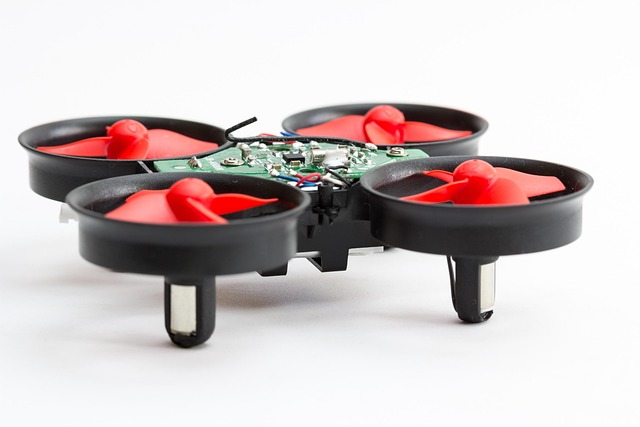
Safety is the first thing to consider. Look for drones with propeller guards or cage designs that protect little fingers. A lightweight build helps, too, since lighter drones are less injury-prone—and often exempt from registration in many regions.
Ease of use comes next. One-button takeoff and landing, return-to-home features, and stable hovering can make the experience smoother. Many beginner drones include “headless mode,” which helps kids orient the drone based on the controller’s perspective rather than the drone’s direction.
Durability is essential. Crashes happen—especially with kids—and a toy that breaks easily can ruin the fun. Look for models with robust frames, replaceable propellers, or bundled spare parts.
Finally, consider battery life. Short flights mean lots of downtime during recharges, which can test patience. Drones that include multiple batteries or charge relatively quickly make the experience flow better.
Good starter drones for different needs
There’s no one-size-fits-all drone, so let’s walk through a few that work well for various scenarios and kids’ preferences.
For simple indoor learning and reliability, some mini toy drones stand out. They typically offer beginner-friendly controls, short flight times, and guard-protected props. These are ideal for initial practice flights, especially in small spaces.
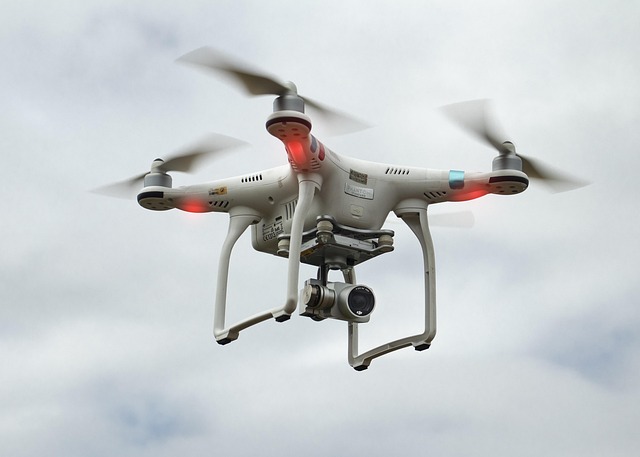
If your child wants to step up to something with a camera and more features, the DJI Neo is a popular choice. It’s kid-friendly with voice and gesture control, fully enclosed props, and intuitive flying modes. It teaches the basics without overwhelming young pilots and is flexible enough to grow with them.
For kids interested in hands-on learning and building, DIY drone kits offer a unique twist. Building the drone gives a stronger understanding of how things work, and once assembled, most kits have features like altitude hold and one-button flying. Just be sure the pieces aren’t too small for younger children.
Some drones are designed to follow you and even capture video without constant remote control. These “follow-me” drones can be a blast outdoors, especially for older kids who want to create videos. They typically take off from and return to your palm, and some can be triggered with a gesture. Make sure any drone like this still has physical buttons as backups, because touch-only controls may be tricky for small hands.
If your child is math or tech inclined, FPV (first-person view) drones bring video flying into play. A compact FPV setup lets them experience immersive flight like a fast video game. But because these drones are quicker and less stable, they’re best for older or motivated kids, and should always be flown under supervision and in open areas.
Making the most of the learning experience
A drone is more than just a toy—it’s a stepping stone to confidence, spatial skills, and even STEM learning. But to get there, safety and structure matter.
Start slow. Begin with a basic demo, showing how the drone takes off, hovers, and lands. You might let the child pilot under your supervision until they’re comfortable. Teach them to recognize the drone’s orientation and adjust for wind.
Create friendly practice sessions. Set up soft landing zones with pillows or markers. Encourage short, deliberate flights—seconds of control at first—and slowly raise difficulty as they improve.
Encourage responsibility. Explain that drones are fragile and need care. Teach them to check battery levels, inspect propellers, and learn from minor crashes.
Engage their curiosity. If they’re building a drone, talk circuit basics or how motors work. If they use a follow-me drone, discuss GPS or sensors. Let them ask questions—it builds excitement and steadiness at the control stick.
Also, model safe practices. Explain FAA or local drone rules, such as flying below the maximum allowed altitude, avoiding crowded places, and respecting privacy. If the drone weighs more than the registration limit, show them the process of safely registering and labeling their drone.
Final thoughts for parents and educators
A well-chosen beginner drone is so much more than just a toy. It’s a tool that builds coordination, curiosity, and responsibility in a way screens alone can’t. The best drones for kids learning to fly are the ones that are safe, intuitive, durable, and fun. Start with simple machines that won’t frustrate a child’s fledgling flying skills—and upgrade as they grow and their confidence soars.
Pick a drone with prop guards and easy controls. Keep flight sessions short and supervised. Encourage questions, curiosity, and care for the equipment. With the right setup, flying becomes a safe, educational, and joyful experience for both kids and parents.